When building email campaigns, one size rarely fits all, especially when switching between business-to-business (B2B) and direct-to-consumer (DTC) audiences. While both models aim to build relationships and drive meaningful action, the way readers process information, evaluate offers, and decide to click varies significantly depending on who is receiving the message.
For marketing agencies managing diverse client portfolios, tailoring the visual structure, layout hierarchy, and overall tone to match audience expectations can help elevate campaign engagement. Understanding the subtle nuances between B2B and DTC email design allows creative teams to craft emails that feel intuitive, helpful, and purpose-built for the reader.
Understanding B2B and DTC Email Design
At a fundamental level, the difference between B2B and DTC email design stems from the recipient's mindset and buying journey.
B2B Email Design: Focuses on clarity, logic, and professional value. B2B readers often process emails during work hours, looking for quick insights, efficiency, or solution-oriented messaging that addresses organizational needs.
DTC Email Design: Emphasizes visual appeal, emotion, and brand identity. DTC subscribers are typically shopping or exploring personal interests, making lifestyle imagery, product showcases, and immediate visual appeal key drivers of engagement.
Recognizing these foundational mindsets helps shape every design choice, from grid structures to call-to-action (CTA) styling.
Email Structural Differences: Layout, Hierarchy, and Content Flow
How an email is organized visually guides the reader's eye and determines how efficiently they absorb the message. B2B and DTC approaches structure their content differently to suit how their audiences read:
B2B Layout Structure: Minimal, text-forward, and scannable. B2B layouts often feature a simple header and logo, a bold value-focused headline, clean HTML paragraph text, and structured bullet points for key takeaways. This clear hierarchy allows busy professionals to digest critical details without visual distractions or heavy image loading.
DTC Layout Structure: Image-rich, dynamic, and product-focused. DTC emails lead with vibrant hero visuals or deals, followed by eye-catching product grids, lifestyle galleries, and social proof like customer reviews. The layout is built around visual storytelling that draws the reader naturally down the page toward a shopping button.
Call-to-Action (CTA) Design and Messaging Alignment
The tone and visual weight of a call-to-action should match where the subscriber is in their decision-making process.
B2B CTAs: Decisions in B2B often involve longer consideration cycles and multiple stakeholders. CTAs usually encourage learning or discovery—such as "Read the Report," "Watch the Demo," or "Schedule a Conversation." Visually, these buttons tend to be clean, well-spaced, and aligned with a professional color scheme without feeling overly aggressive.
DTC CTAs: Consumer purchases are often guided by immediate interest, promotion, or discovery. CTAs lean toward direct action, such as "Shop the Collection," "Get 20% Off," or "Claim Your Sample." These buttons often use vibrant, high-contrast colors, prominent sizing, and primary placement near hero visuals to encourage quick clicks.
Email Design Personalization and Audience Segmentation in Practice
Both B2B and DTC emails benefit from relevance, but the way design supports personalization varies between the two sectors.
B2B Contextual Relevance: Personalization in B2B often manifests through tailored content modules based on industry, job role, or stage in the sales funnel. Design plays a role by creating modular, flexible templates that adapt easily whether sending a quick account manager check-in or a comprehensive industry white paper.
DTC Dynamic Content: DTC emails frequently leverage dynamic blocks based on browsing history, past purchases, or abandoned cart items. Design systems for DTC need to accommodate variable image sizes, promotional badges, and star-rating overlays while maintaining layout harmony across different device screens.
Bridging Strategy and Execution for Email Agencies
Ultimately, effective email design starts with understanding the audience behind every campaign. For agencies managing both B2B and DTC clients, having a reliable design partner makes it easier to adapt creative execution without compromising quality or slowing down delivery.
Need email designs that adapt to every client? Marz helps agencies deliver high-quality email designs in just 2 days, making it easier to scale creative production while keeping every campaign aligned with its audience and goals.
Liked it? Share it with your people.


Us Vs Them
Launch your creative to new realms — fast, reliable, and scalable
Large agencies spread thin often lack the focus and flexibility to bring your visions to life.
Cover some needs well, but struggle with skill gaps and aren’t easily scalable.
Finding the right freelancer can be awesome, until they reach capacity or you suddenly get ghosted.
More Blogs
Marz Media is a specialized design partner for agencies that need consistent output without capacity issues.

Oct 7, 2026
Why Your Welcome Flow Deserves Better Email Design
Design a welcome flow that makes a strong first impression. Learn how better email design can improve brand consistency, guide conversions, and build long-term subscriber engagement.
READ MORE

Oct 7, 2026
Why Do Your Emails Still Miss the Mark If the Brief Was Good?
Discover why clear email design briefs may miss the mark and how aligning strategy, CTA hierarchy, and technical specs leads to stronger first-draft designs.
READ MORE
Mar 3, 2026
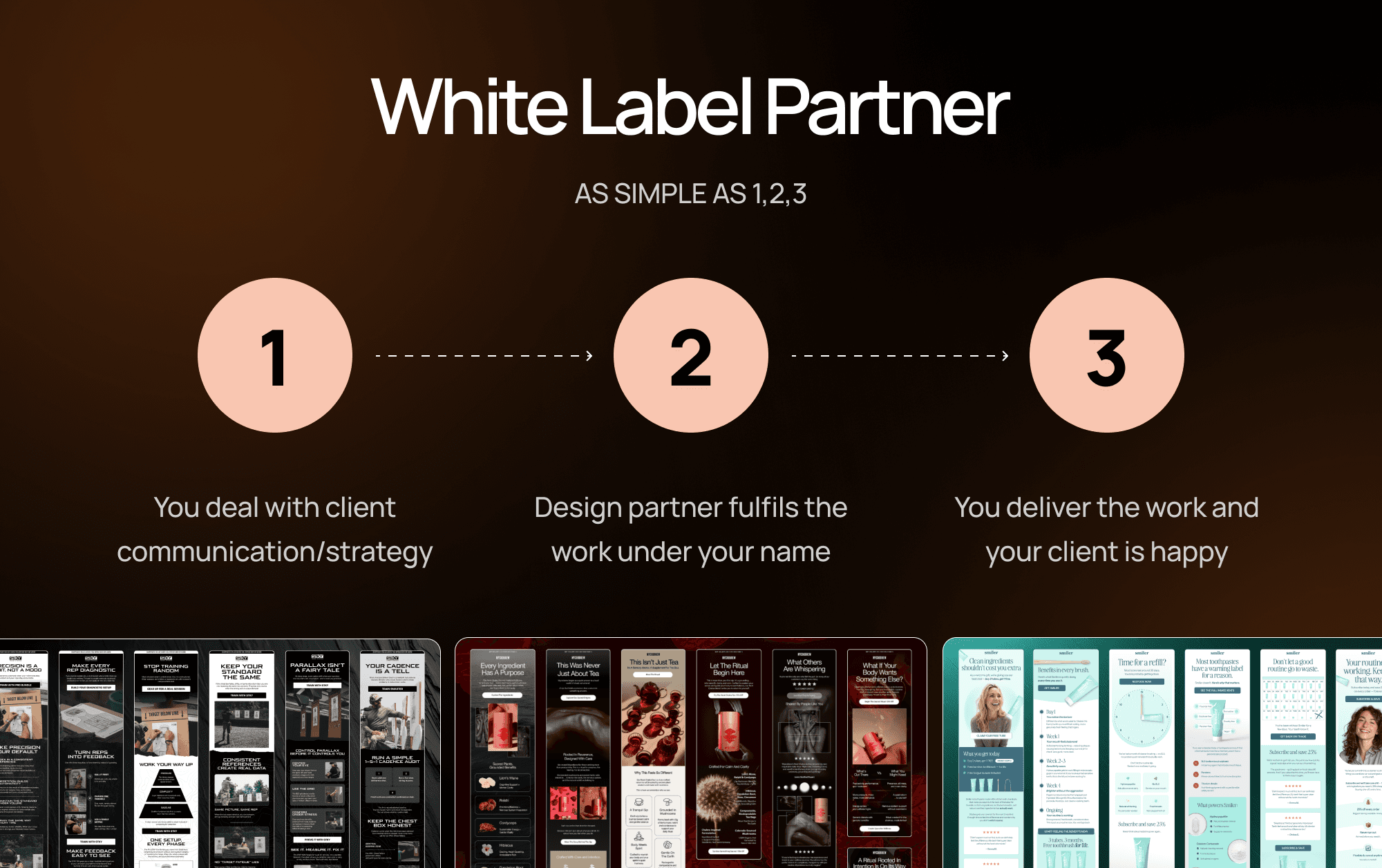
White Label Email Design: The Complete Guide for Ecom Agencies
Everything ecom email marketing agencies need to know about white label email design — what it is, how it works, and how to find the right partner.
READ MORE