
E-commerce and DTC brands are constantly looking for new ways to grow, but with changing social algorithms and privacy rules, they can’t afford to overlook one of their most direct channels: email marketing.
In 2026, a strong email strategy is essential for building customer relationships, driving conversions, and generating measurable ROI. Here’s what works today, which campaigns to prioritize, and how to build a strategy that drives sustainable growth.
Is Email Marketing Still Relevant in 2026?
Yes, email marketing in 2026 remains one of the most effective direct-response and customer retention channels available. While social networks shift toward algorithmic feeds that limit organic reach, email provides an owned channel where you maintain direct access to your audience.
The email marketing landscape has evolved significantly. Email providers now enforce stricter authentication standards, such as SPF, DKIM, and DMARC, making deliverability more important than ever. At the same time, privacy changes have made open rates a less reliable metric. Today, successful email marketing focuses more on subscriber engagement, click-to-open rates (CTOR), and revenue directly generated from email.
What Does Email Marketing Look Like in 2026?
Modern email marketing in 2026 centers around relevance, timing, and hyper-personalization. Sending broadcast blasts to an entire list without distinction is an outdated approach that risks deliverability issues.
Key email marketing trends in 2026 include:
First-Party and Zero-Party Data: Brands rely on preference centers, polls, and subscriber interactions to tailor messaging rather than depending on third-party tracking cookies.
AI-Assisted Personalization: Marketers leverage machine learning to send dynamic product recommendations, optimize send times, and draft personalized content variations at scale.
Hyper-Segmented Messaging: Audiences are categorized by purchase behavior, engagement tier, and lifecycle stage to ensure higher message relevance.
Interactive Inbox Experiences: In-email polls, swipable product carousels, and dynamic menus reduce friction by allowing readers to engage without leaving their inbox.
The Main Types of Email Marketing Campaigns
Understanding the different types of email marketing campaigns helps structure a balanced communication schedule:
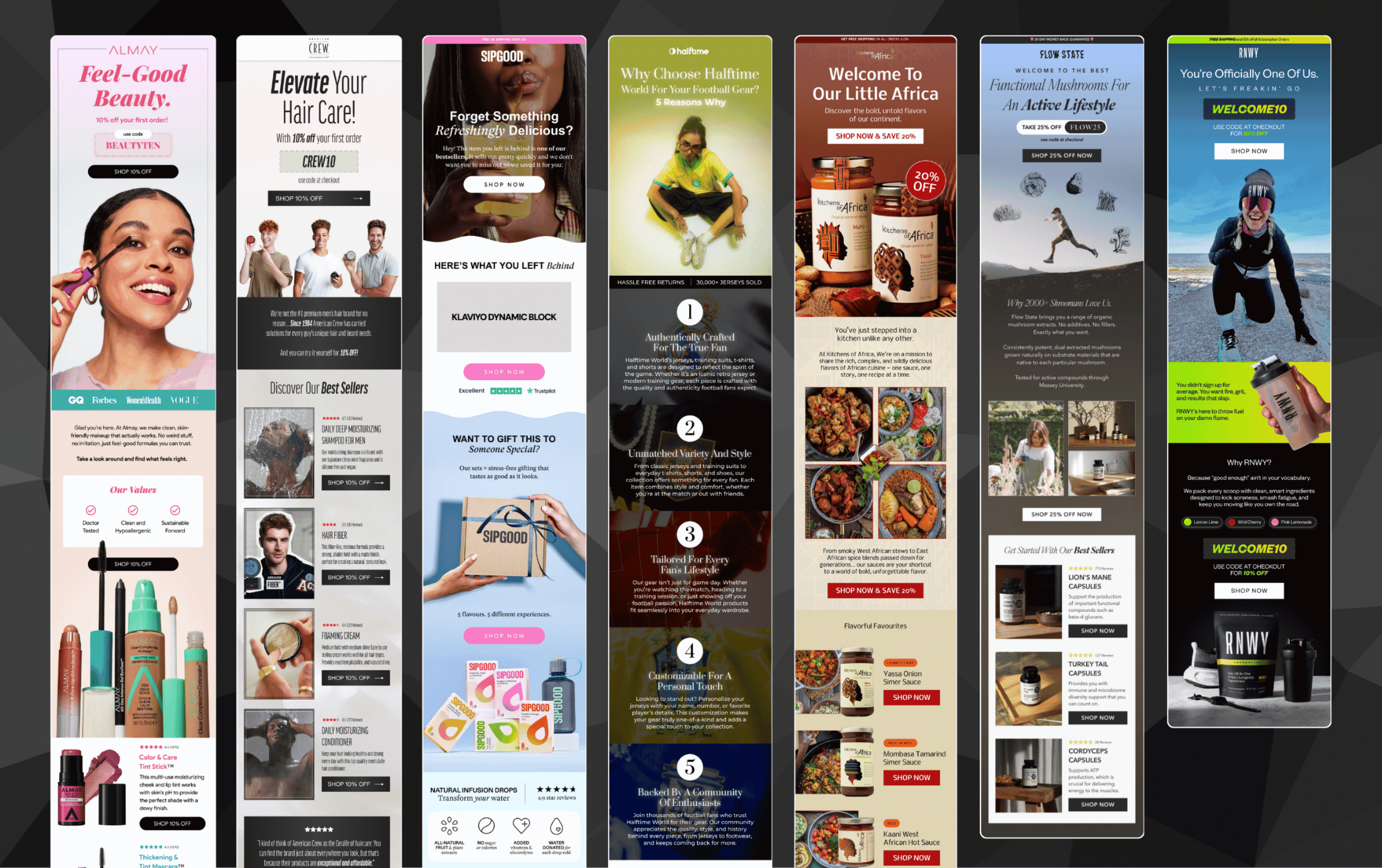
Welcome Sequences: Triggered automatically when someone joins your list to introduce your brand, set expectations, and deliver initial value.
Promotional Email Campaigns: Focused, time-sensitive offers announcing product launches, seasonal sales, or limited-time deals.
Newsletter & Educational Content: Regular editorial sends designed to nurture trust, share industry insights, and keep your brand top-of-mind.
Behavioral & Lifecycle Triggers: Automated messages activated by user actions, such as cart abandonment reminders, post-purchase onboarding, or re-engagement campaigns.
Transactional Emails: Receipts, order updates, and account confirmations which yield high open rates and can be optimized with soft upsells.
Which Type of Email Marketing Does Your Business Actually Need?
The right mix depends heavily on your business model:
For Ecommerce Brands
The best email marketing strategy for ecommerce prioritizes automated, revenue-generating flows. Ecommerce email marketing relies on browse abandonment, cart recovery, post-purchase cross-sells, and VIP loyalty rewards to maximize customer lifetime value.
For B2B and Professional Services
B2B companies need longer-term lead nurturing. Their focus centers on detailed welcome series, educational newsletter content, webinar invites, and case study distributions to guide prospects through complex sales cycles.
For Creators and Content Publishers
Independent creators rely on recurring editorial newsletters, community updates, and targeted product launches (such as courses or digital downloads) to build direct audience relationships.
Email Automation vs. One-Off Campaigns: What Should You Prioritize?
A high-converting email marketing strategy 2026 requires a strategic balance between email automation and broadcast campaigns.
Email marketing generally falls into two main categories: email automation (lifecycle flows) and one-off campaigns (broadcasts). Email automation consists of pre-written emails that are triggered by specific user actions or dates, such as welcome series, cart recovery emails, and post-purchase sequences.
Its primary goal is to create consistent, background conversions and smoothly onboard new customers, making automated flows a high-priority foundation that brands should build first to establish passive, ongoing revenue. One-off campaigns, on the other hand, are manual, one-time emails sent to a specific list or segment, such as weekly newsletters, product launches, and seasonal promotions.
These campaigns focus on real-time engagement, delivering timely news, and generating immediate revenue surges. They are considered an ongoing secondary layer that works alongside and builds on top of a strong automated email system.
Recommendation: Build and test your core automated flows first. Once your lifecycle automation is working in the background, establish a consistent cadence for one-off campaign sends.
How Email Design Can Make Your Strategy Work Harder
Modern email design directly impacts how subscribers interact with your content and whether inbox providers deliver your messages properly.
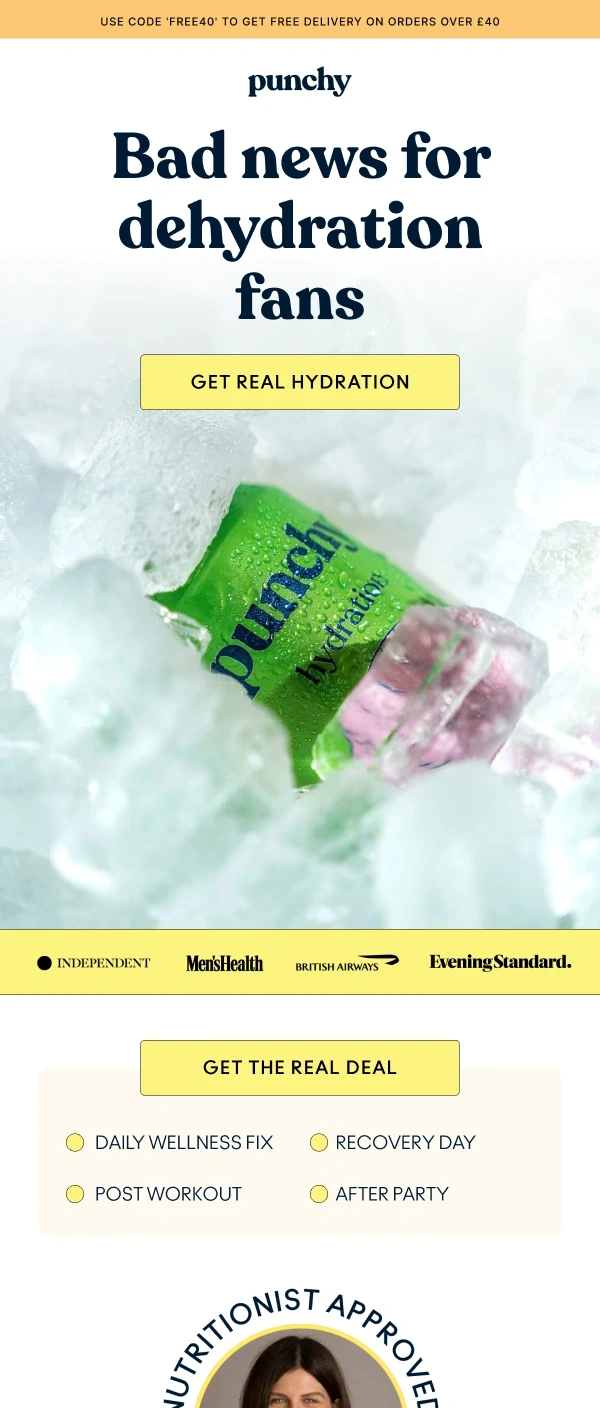
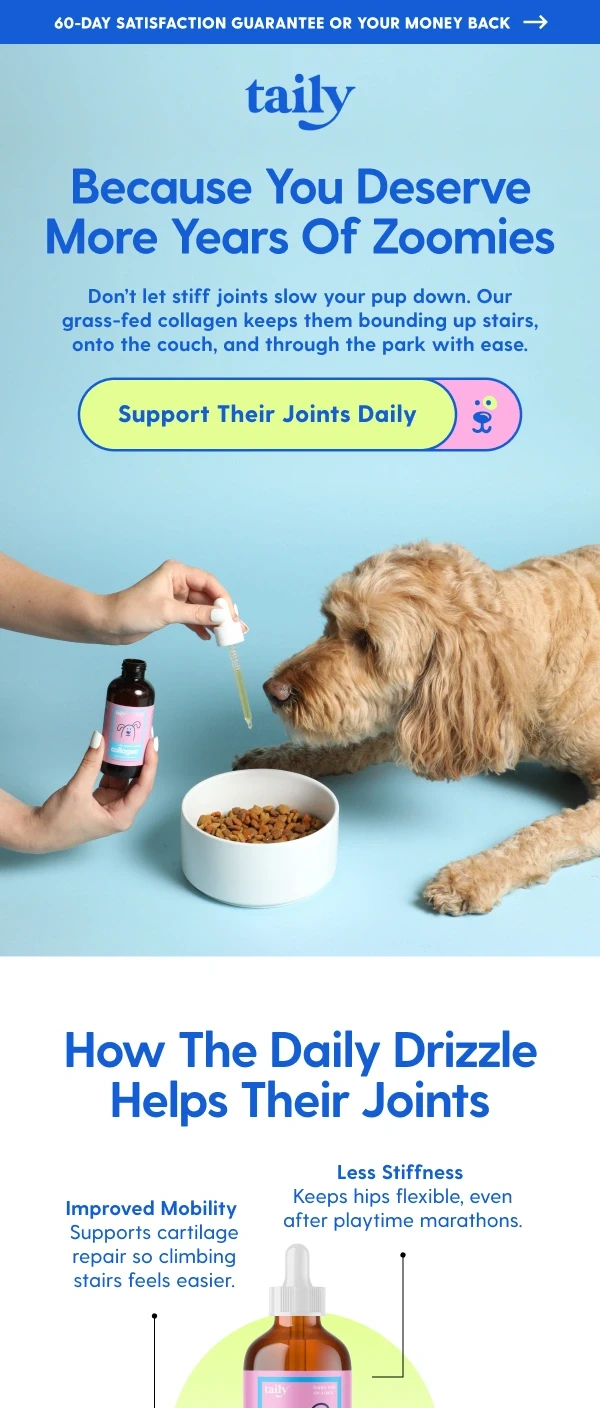
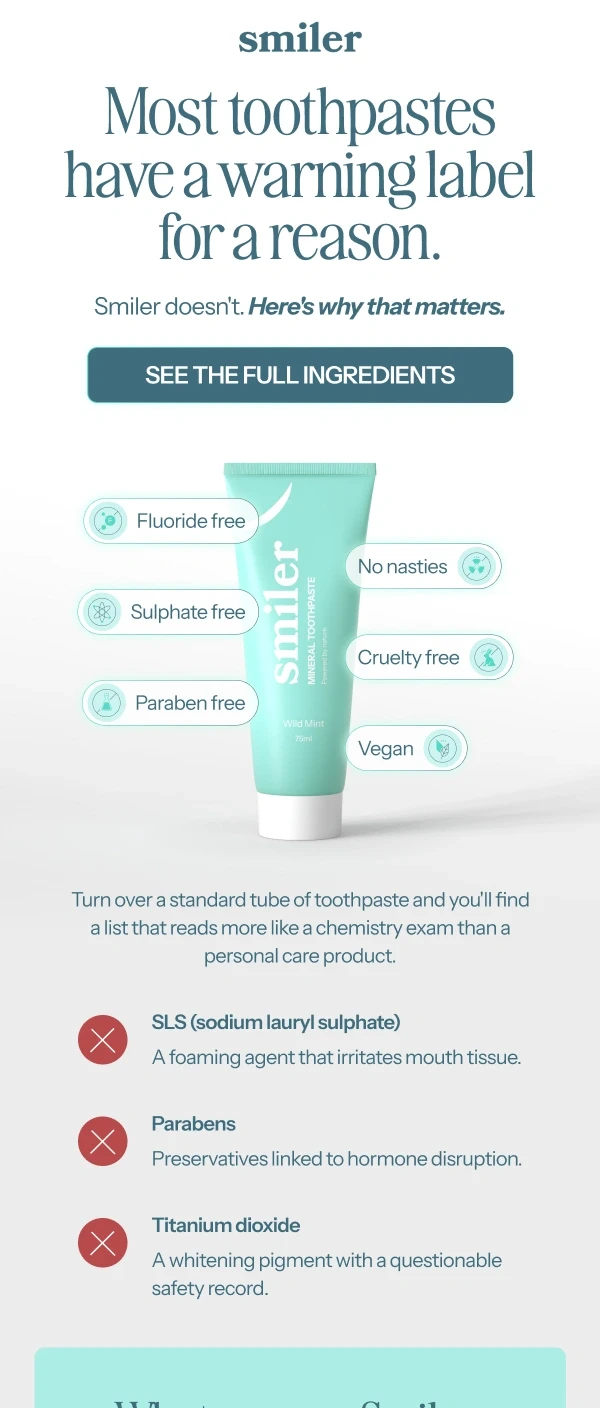
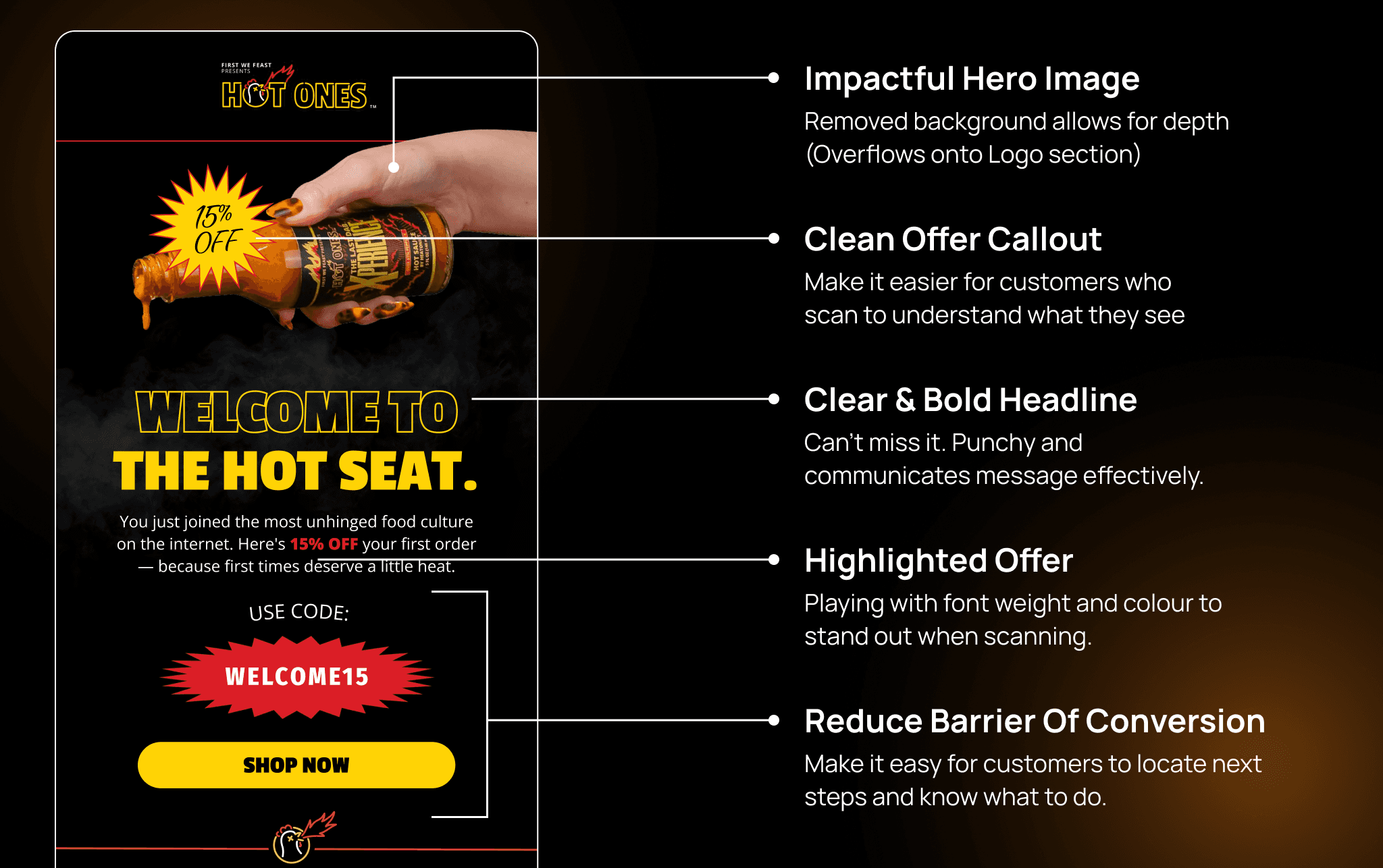
Great email design is about more than aesthetics. Layout, hierarchy, CTA placement, and mobile experience all influence how easily subscribers understand and act on your message. Learn more about the anatomy of a high-converting ecom email design.
Mobile-First Layouts: Single-column designs, thumb-friendly buttons, and large typography ensure your messages render cleanly across all device types.
Dark Mode Compatibility: Designing with dark mode in mind using transparent PNGs and high-contrast text prevents broken visual elements.
Balanced Text-to-Image Ratios: Avoiding image-only emails protects your deliverability rate and ensures AI tools and screen readers can interpret your message.
Scannable Hierarchy: Bold headers, short paragraphs, and clear call-to-action (CTA) buttons guide readers quickly to the primary goal.
Before sending, it's also worth running through a consistent QA process. Our email design checklist covers the key details to review before an email reaches your audience.
How to Build Your Email Marketing Strategy in 2026
If you are looking at how to create an email marketing strategy in 2026 or wondering how to improve email marketing in 2026, follow this structured approach:
Step 1: Secure Technical Deliverability & Compliance
Configure SPF, DKIM, and DMARC records on your sending domain. Maintain double opt-in signups where necessary, ensure easy one-click unsubscription links, and maintain clean list hygiene by removing unengaged subscribers regularly.
Step 2: Set Up Core Automated Sequences
Map out your primary lifecycle automations:
Welcome Series: Introduce your value proposition over 3–4 emails.
Abandoned Action Workflows: Re-engage visitors who left items in their cart or dropped off during checkout.
Customer Retention Flow: Check in after a purchase or sign-up to offer support, gather feedback, or suggest complementary products.
Step 3: Implement Segmentation
Group subscribers based on engagement levels, purchase history, or survey preferences gathered at opt-in. Tailoring content to specific segments boosts click-through rates and keeps spam complaint rates low.
Step 4: Refine Content and Design Standards
Maintain a regular publishing calendar for newsletters and promotional broadcasts. Stick to clean, mobile-optimized templates that reflect your brand identity while keeping load times fast.
Once your email design is ready, the next challenge is getting it into your ESP efficiently. Learn how to get email designs live in Klaviyo in under a minute and reduce the manual work involved in email production.
Step 5: Track the Right Metrics
Shift focus away from inflated open rates. Instead, monitor:
Click-Through Rate (CTR) & CTOR: Measures how compelling your content and offers are.
Conversion Rate: Tracks how many subscribers complete the desired goal (e.g., purchasing, registering, booking).
Revenue Per Recipient (RPR): Evaluates the direct financial impact of your campaigns.
Unsubscribe & Spam Complaint Rates: Keeps your domain health in check.
Implementing these email marketing best practices 2026 helps ensure your channel remains revenue-driven, highly engaging, and resilient against broader industry shifts.
Liked it? Share it with your people.


Us Vs Them
Launch your creative to new realms — fast, reliable, and scalable
Large agencies spread thin often lack the focus and flexibility to bring your visions to life.
Cover some needs well, but struggle with skill gaps and aren’t easily scalable.
Finding the right freelancer can be awesome, until they reach capacity or you suddenly get ghosted.
More Blogs
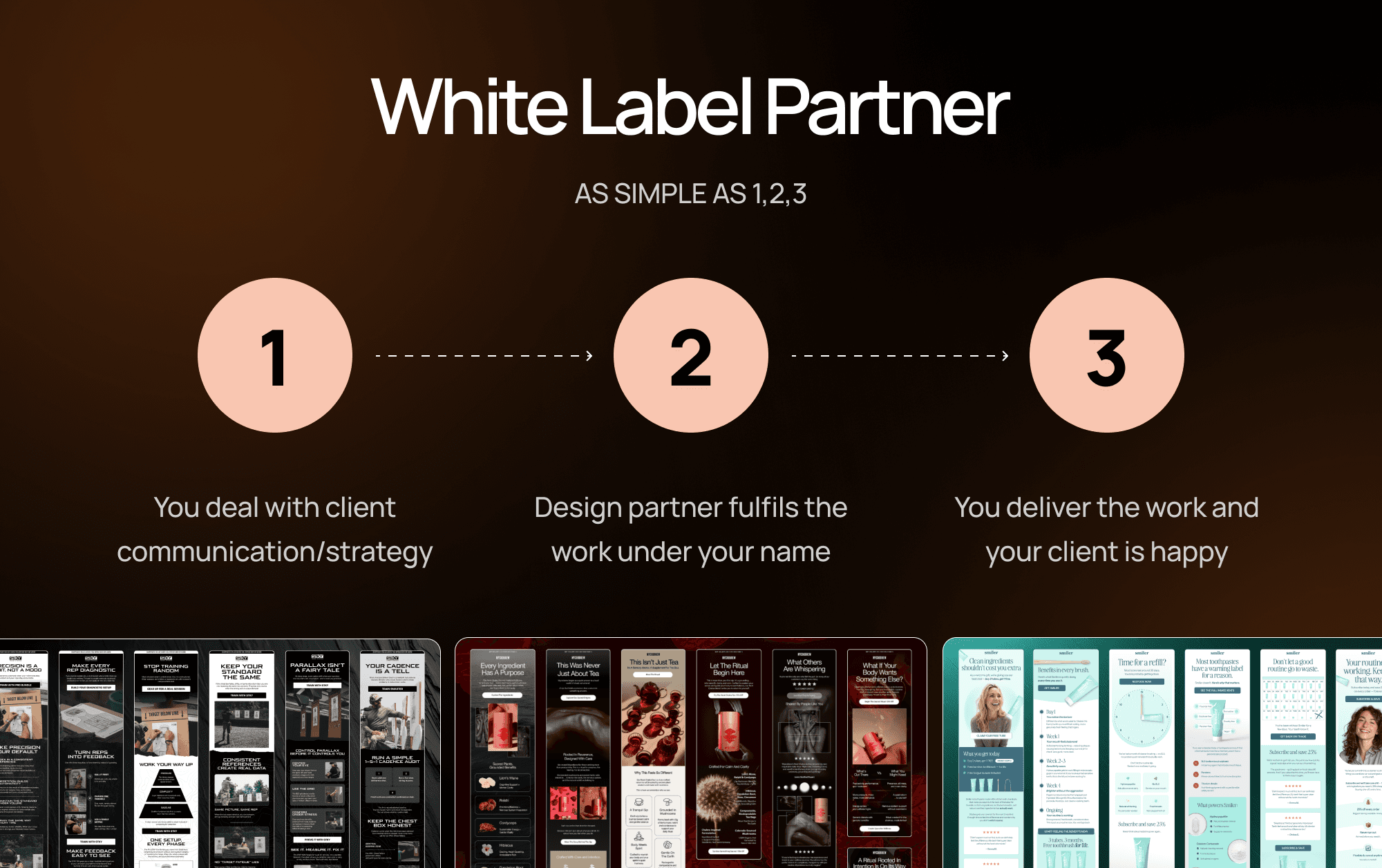
Marz Media is a specialized design partner for agencies that need consistent output without capacity issues.
Mar 3, 2026
White Label Email Design: The Complete Guide for Ecom Agencies
Everything ecom email marketing agencies need to know about white label email design — what it is, how it works, and how to find the right partner.
READ MORE
Mar 13, 2026
What Makes a High-Converting Ecom Email Design? And How to Brief One
A practical guide to high-converting ecom email design — covering layout, hierarchy, CTAs, mobile optimisation, and how to write a brief that gets results.
READ MORE
Mar 14, 2026
The Hidden Cost of Unreliable Designers for Your Email Marketing Agency
Missed deadlines and inconsistent quality cost more than you think. Here's the real price your email agency pays for unreliable design.
READ MORE