For an email marketing agency, success comes down to two things: performance for your clients and operational efficiency for your team.
However, as your client roster grows, building custom email flows from welcome series to abandoned cart sequences often hits a friction point. The delay rarely comes from strategy or copy; more often than not, it stems from the design and production phase.
Optimizing your email design workflow for agencies allows you to speed up campaign rollouts, maintain high creative standards, and scale your client capacity without overwhelming your team.
What Goes Into Building an Email Flow?
Building effective automated email flows involves multiple moving parts. An end-to-end email marketing workflow typically spans five core stages:
Strategy & Mapping: Defining customer triggers, conditions, delays, and logic inside platforms like Klaviyo.
Copywriting: Writing tailored messaging for each touchpoint in the lifecycle.
Email Design: Translating copy and strategy into visually engaging, brand-aligned visual layouts.
Development & Setup: Converting designs into responsive email templates, setting up dynamic merge tags, and configuring triggers.
Quality Assurance (QA) & Testing: Reviewing rendering across clients (Gmail, Apple Mail, Outlook), mobile responsiveness, and link tracking.
When every step runs smoothly, an agency can launch high-converting lifecycle email marketing campaigns efficiently. However, creative feedback loops and design revisions frequently cause project delays.
Why Email Design Can Become an Agency Bottleneck
Design is often where the email production pipeline slows down. Common factors causing bottlenecks in email flow design for agencies include:
Endless Revision Cycles: Clients frequently request minor visual tweaks, visual realignments, or asset updates that slow down final sign-off.
Designing From Scratch Every Time: Creating unique layouts for every single email in a 6-part sequence consumes valuable designer hours.
Responsive Rendering Issues: Complex visual layouts look great on desktop but require extensive rework to display properly on mobile devices.
Capacity Constraints: In-house designers are often stretched thin across multiple accounts, leading to production backlogs.
When design becomes a bottleneck, strategic launch dates slip, client onboarding delays accumulate, and overall agency margins shrink.
Email Designing: Start With the Core Flows Before Adding Complexity
To keep production moving quickly, agencies should focus on mastering and deploying core e-commerce email automation sequences first before introducing complex conditional branching:
Welcome Flow: Introduces the brand, delivers opt-in incentives, and drives first purchases across a standard sequence of 3 to 4 emails.
Abandoned Cart Flow: Recovers lost revenue from high-intent shoppers, typically structured across 2 to 3 targeted messages.
Post-Purchase Flow: Onboards new buyers, encourages product usage, and prompts reviews across a sequence of 3 to 4 emails.
Win-Back Flow: Re-engages dormant customers before they churn, usually delivered through a 2 to 3 email sequence.
Standardizing your agency's approach to these foundational flows allows you to build scalable creative frameworks that accelerate overall project delivery.
Where Design Fits Into the Flow-Building Process
Design should not exist in isolation. Integrating the design phase seamlessly into the broader email production workflow prevents costly revisions late in the development cycle.
Step 1 - Strategy & Logic Mapping: Define the trigger criteria, sequence logic, and delay times for the entire workflow.
Step 2 - Copywriting & Wireframing: Lock in all headlines, body copy, and offer structures before moving to full graphic design.
Step 3 - Email Design: Apply visual styling, branding elements, imagery, and layout structures based on the approved copy.
Step 4 - Technical Setup & Testing: Build the templates in your email service provider, check dynamic codes, and perform rendering QA.
Step 5 - Launch & Monitor: Deploy the automated sequence and begin tracking open, click, and conversion performance.
Following this strict sequence ensures that team members do not waste design hours on content that might change later in the approval cycle.
How Faster Email Design Helps Agencies Launch Flows Faster
Speeding up the email design process yields direct operational advantages for your agency:
Faster Time-to-Value: Launching client flows quickly generates revenue faster, proving agency ROI early in the relationship.
Higher Profit Margins: Reducing the billable hours spent on design revisions lowers production costs per account.
Improved Client Retention: Smooth, on-time campaign rollouts build trust and boost long-term client satisfaction.
Increased Delivery Scalability: Faster production workflows enable your team to onboard more clients simultaneously without compromising design quality.
A Better Workflow for Building Email Flows at Scale
To optimize how agencies can scale email marketing production, transition from custom asset creation to a systematic production workflow:
Build Modular Email Design Systems: Create a master library of reusable email components (headers, product grids, review blocks, and footers). Swap content in and out of pre-tested structural blocks instead of starting from a blank canvas.
Modular systems are also becoming an important part of how agencies approach scalable email design as new tools and workflows continue to evolve.Standardize Client Onboarding Assets: Gather client brand guidelines, font files, hero banners, and brand assets during kickoff to minimize middle-of-project requests.
Implement Direct Review Protocols: Limit client review cycles to two structured feedback rounds using centralized review tools to eliminate scattered feedback over email.
Separate Layout Design from Development: Ensure mobile-responsive behavior is accounted for during the graphic layout phase to avoid coding fixes later in the ESP setup.
How Agencies Can Add Design Capacity Without Growing Their Team
Growing your email marketing agency shouldn’t mean constantly hiring more in-house designers to keep up with client demand.
With the right design partner, you can increase your creative capacity, handle more projects, and keep quality consistent without adding the overhead of another full-time team.
At Marz, we work behind the scenes with email marketing agencies to take care of their email design production, giving your team more capacity to focus on strategy, clients, and growth.
Want to see how Marz could fit into your workflow? Book a demo with our team and let’s talk about how we can help you scale your email design capacity.
Liked it? Share it with your people.


Us Vs Them
Launch your creative to new realms — fast, reliable, and scalable
Large agencies spread thin often lack the focus and flexibility to bring your visions to life.
Cover some needs well, but struggle with skill gaps and aren’t easily scalable.
Finding the right freelancer can be awesome, until they reach capacity or you suddenly get ghosted.
More Blogs
Marz Media is a specialized design partner for agencies that need consistent output without capacity issues.
Oct 7, 2026
Why Your Welcome Flow Deserves Better Email Design
Design a welcome flow that makes a strong first impression. Learn how better email design can improve brand consistency, guide conversions, and build long-term subscriber engagement.
READ MORE
Mar 3, 2026
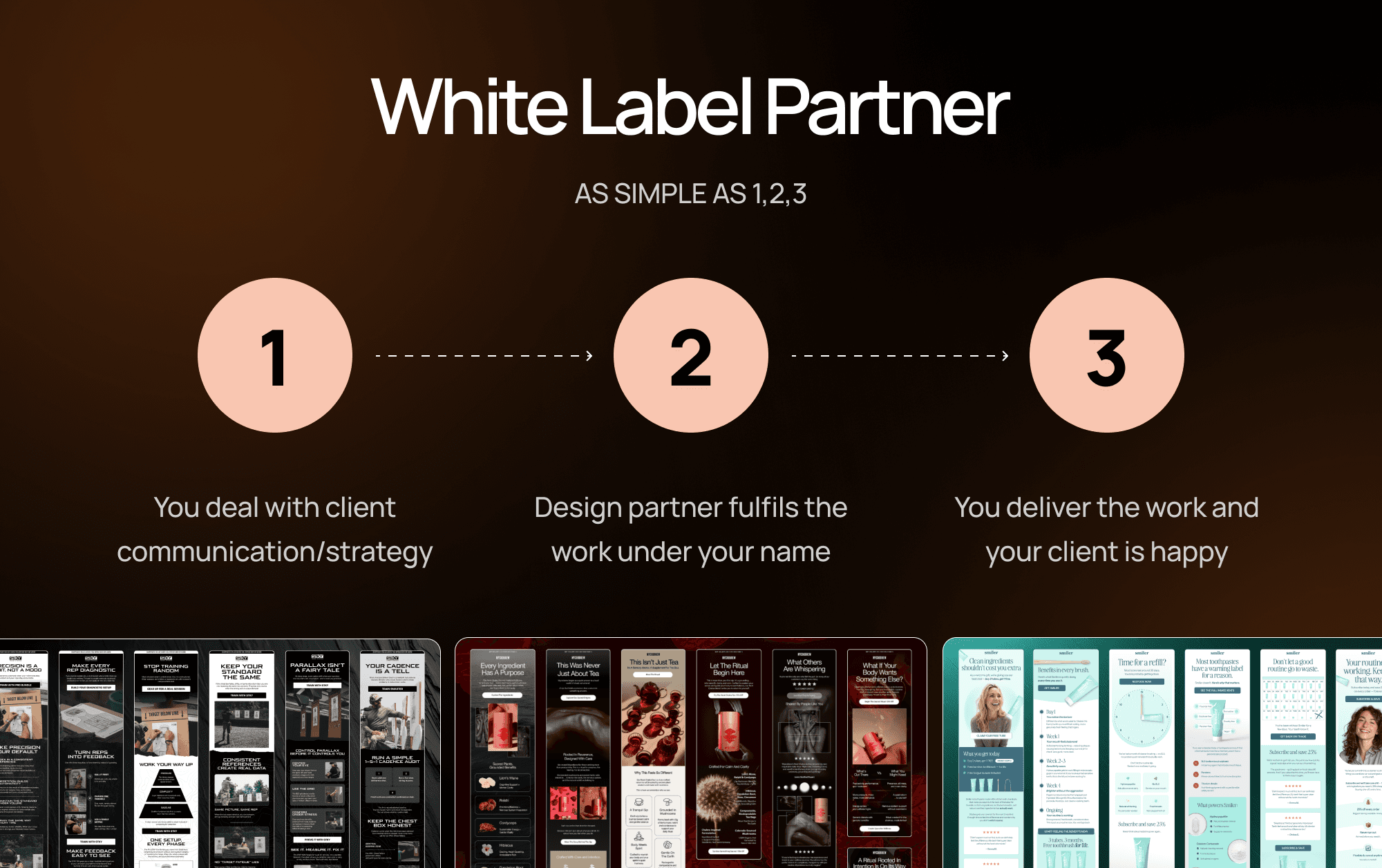
White Label Email Design: The Complete Guide for Ecom Agencies
Everything ecom email marketing agencies need to know about white label email design — what it is, how it works, and how to find the right partner.
READ MORE
Mar 13, 2026
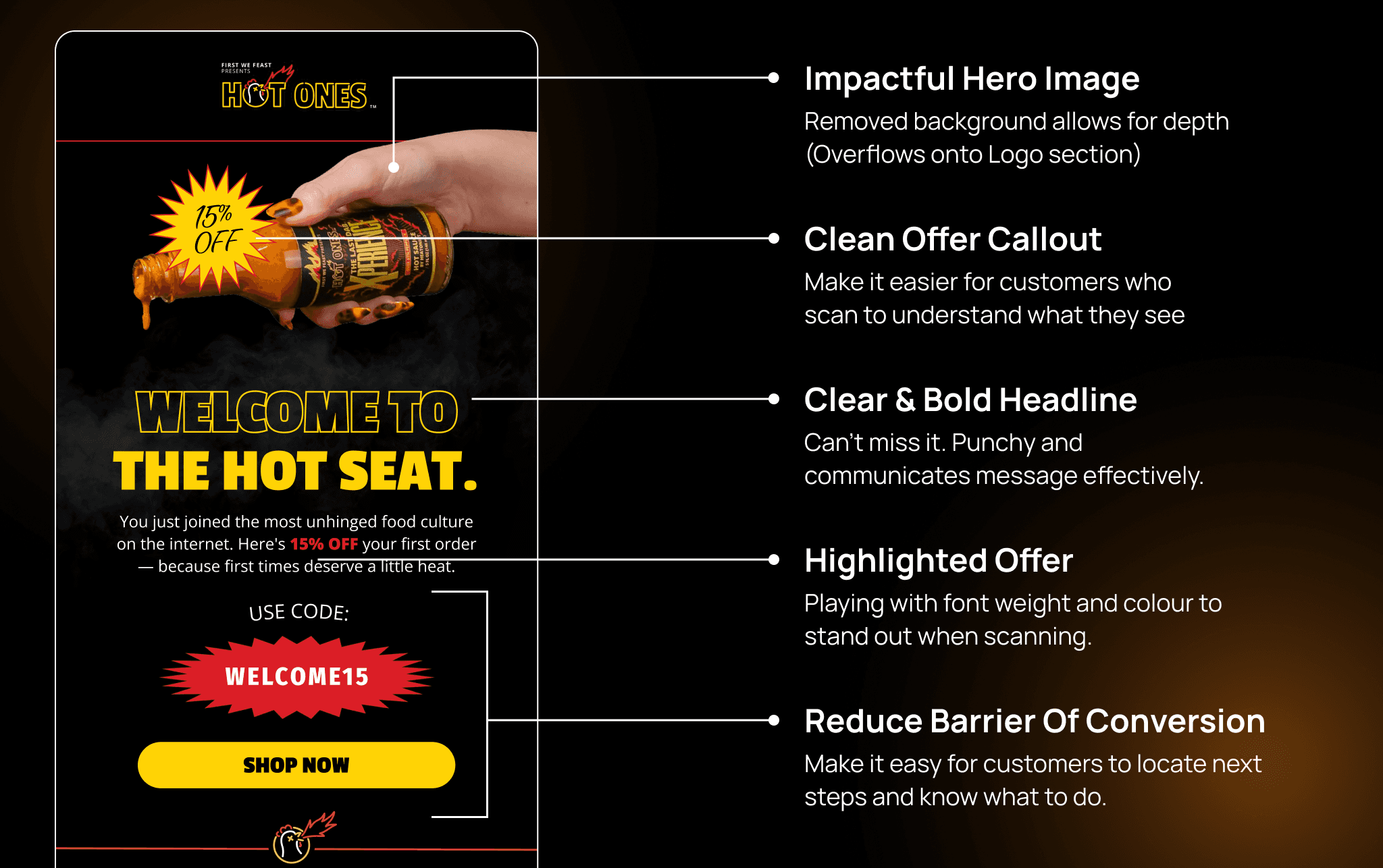
What Makes a High-Converting Ecom Email Design? And How to Brief One
A practical guide to high-converting ecom email design — covering layout, hierarchy, CTAs, mobile optimisation, and how to write a brief that gets results.
READ MORE